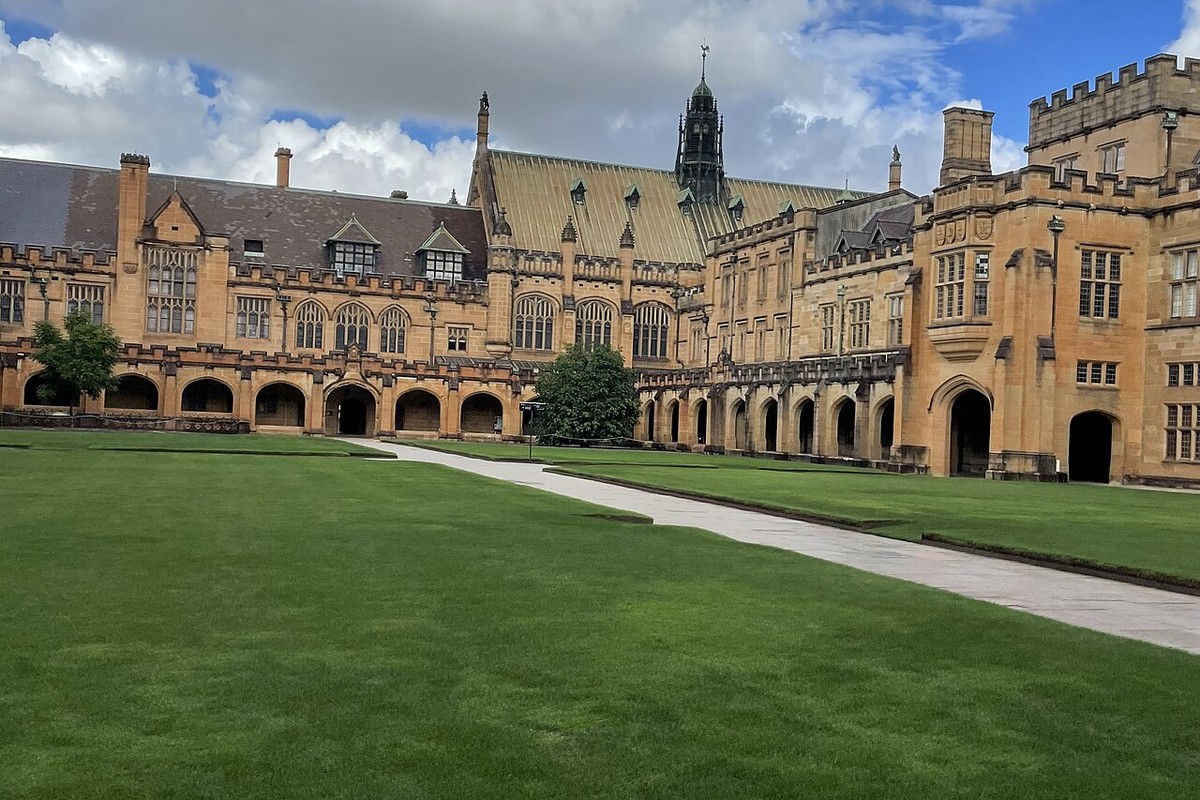
Recent online discussions in China have drawn attention to teaching quality concerns in higher education—a topic that transcends any single country. For international students and their families weighing study destinations, the structural safeguards built into Australia’s university system offer a useful point of comparison. TEQSA registration, publicly reported student experience data, and statutory quality standards create a transparency framework that few other countries match.
TEQSA: a regulator with teeth
Australia’s Tertiary Education Quality and Standards Agency (TEQSA) is an independent statutory authority that registers and regulates all higher education providers. Unlike voluntary accreditation systems in some countries, TEQSA registration is mandatory and carries enforceable standards under the Tertiary Education Quality and Standards Agency Act 2011.
Key features of the TEQSA framework include:
- Provider Registration Standards: covering governance, academic quality, staffing, and financial viability
- Provider Category Standards: distinguishing universities, university colleges, and institutes
- Qualification Standards: aligning with the Australian Qualifications Framework (AQF)
- Regular re-registration cycles: typically every five to seven years, with full institutional audits
In 2024, TEQSA conducted 41 compliance assessments and imposed conditions on three providers for failing to meet academic staffing standards. The regulator’s annual report is public, and enforcement actions are published—a level of transparency that gives prospective students and their families more information than they would typically have about a domestic institution.
Student-to-staff ratios: the classroom reality
According to the Department of Education’s 2024 Higher Education Statistics, Australia’s 42 universities report an average student-to-staff ratio of approximately 14:1 across the sector. For the Group of Eight (Go8) research-intensive universities, the ratio sits closer to 13:1.
The tutorial system—a structural feature of Australian university teaching—is the mechanism that converts these ratios into small-group interaction. While lectures may hold 200–400 students, tutorials are capped at 15–25 students and are assessed separately. Students receive individual feedback on written work at least twice per semester, and academic staff hold weekly consultation hours (office hours) as a contractual obligation.
This contrasts with systems where large-lecture delivery is the default mode and small-group teaching is limited to honours or postgraduate cohorts.
QILT: the student voice, quantified
Australia’s Quality Indicators for Learning and Teaching (QILT) is a government-funded national survey program that collects data from graduates and current students across every Australian university. The results are published at the institution and study-area level on the Compared website, making it one of the most transparent higher education data sets globally.
For international undergraduate students, the 2024–25 QILT results show:
| Indicator | Go8 universities | All Australian universities |
|---|---|---|
| Overall satisfaction | 79.3% | 76.1% |
| Teaching quality satisfaction | 81.7% | 78.4% |
| Skills development satisfaction | 80.1% | 77.2% |
| Full-time employment (4 months post-graduation) | 71.3% | 67.8% |
| Median starting salary | AUD 71,500 | AUD 65,300 |
These figures have remained relatively stable over a five-year period, suggesting a consistent standard rather than year-to-year volatility.
Australia’s place in global rankings
In the QS World University Rankings 2026, Australian universities placed as follows within the global top 100:
| Australian university | QS 2026 rank |
|---|---|
| University of Melbourne | 13 |
| University of Sydney | 18 |
| UNSW Sydney | 19 |
| Australian National University | 30 |
| Monash University | 37 |
| University of Queensland | 40 |
| University of Western Australia | 77 |
| University of Adelaide | 82 |
| University of Technology Sydney | 88 |
Nine Australian universities in the global top 100 is a strong result for a country of 27 million people. However, prospective students should note that QS rankings weight research output, academic reputation surveys, and internationalisation metrics heavily—they do not directly measure teaching quality. For that, the QILT data above is more relevant.
The international student support infrastructure
Beyond academic quality, Australia has invested in a regulatory framework specifically for international students—the Education Services for Overseas Students (ESOS) Act 2000, which establishes:
- Tuition Protection Service (TPS): ensuring students are placed in an alternative course or receive a refund if their provider cannot deliver the course
- National Code of Practice: governing marketing, recruitment, student support, and agent conduct
- Mandatory international student support services: every CRICOS-registered provider must employ dedicated international student advisers
The TPS is a rare form of statutory consumer protection in the global education market. If a provider collapses—as happened with several private colleges between 2022 and 2025—international students have a legally enforceable safety net. In most other destination countries, students in the same situation rely on the goodwill of competitor institutions or simply lose their tuition fees.
What this means for your decision
The question “which country has the best university teaching?” does not have a single answer—because teaching quality varies more within countries than between them. A student at a Go8 university in Australia is likely to experience teaching quality comparable to a Russell Group university in the UK or a flagship state university in the US. A student at a lower-ranked private provider in any of these countries may have a very different experience.
What Australia offers that is structurally distinct is:
- A single national regulator (TEQSA) with published enforcement records
- Publicly reported student satisfaction data (QILT) disaggregated by institution and study area
- Statutory consumer protection (ESOS/TPS) for international students
- The tutorial system that institutionalises small-group teaching across the sector
These are not marketing claims—they are legal and regulatory structures that can be verified independently.
If you are choosing between study destinations, the most productive approach is not to rank countries but to compare specific universities and specific programs using standardised data. The QILT website, TEQSA’s national register, and the QS subject-level rankings are good places to start.
Data sources: TEQSA Annual Report 2024–25, Australian Department of Education Higher Education Statistics 2024, QILT 2024–25 Graduate Outcomes Survey, QS World University Rankings 2026, ESOS Act 2000 (Cth).