2026-05-21 · Alex Fong
Eye Tests for International Students in Australia: A Complete Guide to Free and Low-Cost Vision Care While Studying
International students in Australia face a specific healthcare access question: can they obtain free eye tests? The answer is nuanced. As of 2026, approximately
International students in Australia face a specific healthcare access question: can they obtain free eye tests? The answer is nuanced. As of 2026, approximately 720,000 international students are enrolled in Australian universities, according to Department of Home Affairs data, with 62% holding Overseas Student Health Cover (OSHC) policies that include limited optometry benefits. However, no universal free eye test program exists for all international students. The cost and availability depend on your OSHC provider, your state of residence, and whether you meet specific eligibility criteria. This guide provides a definitive breakdown of how to access affordable or free eye exams, the policy landscape, and how vision care fits into your broader study journey.
Understanding OSHC Eye Test Coverage: What Your Policy Actually Covers
Overseas Student Health Cover (OSHC) is mandatory for all international students on a student visa. Every OSHC policy must cover a minimum set of medical services, but optometry is not included in the basic tier. As of 2026, the Australian Government’s OSHC framework requires insurers to cover only hospital and medical services listed under the Medicare Benefits Schedule (MBS) for equivalent Australian residents. Eye tests are not automatically covered under standard OSHC policies.
Most major OSHC providers—including Allianz Care, Bupa OSHC, Medibank OSHC, and nib OSHC—offer two policy tiers: Basic and Comprehensive. The Basic policy typically covers GP visits, hospital stays, and emergency ambulance. The Comprehensive policy, which costs approximately AUD $650–$850 per year for a single student (2026 rates), adds dental, physiotherapy, and optometry benefits. Under Comprehensive OSHC, you are usually entitled to one free eye test per 12-month period, with a cap of AUD $150–$200 per test. This covers a standard consultation with an optometrist, including a refraction test for glasses prescription.
Key data point: A 2025 survey by Universities Australia found that only 38% of international students on Basic OSHC policies were aware that eye tests were not covered. This gap leads to out-of-pocket costs of AUD $60–$120 per test at private optometry clinics. However, some providers like Medibank OSHC offer a “preferred provider” network where discounted rates apply—typically AUD $40–$60 for a test at partner optometrists like Specsavers or OPSM.
Actionable step: Before booking, check your OSHC policy document under “Optometry” or “Vision Care.” Call your insurer’s helpline (numbers are on your membership card) and ask: “Does my policy cover one full eye test per year, and is there a gap payment?” If you hold a Comprehensive policy, you are almost certainly eligible. If Basic, you will need to pay out-of-pocket.
State-Based and Community Options for Free Eye Tests
While no nationwide free eye test program exists for international students, several state-based and community initiatives provide low-cost or free services. These are not tied to OSHC and often target vulnerable populations, including students.
1. Public Hospital Optometry Clinics: In major cities like Sydney, Melbourne, Brisbane, and Perth, public hospitals operate optometry clinics for patients with a valid referral. International students can access these clinics if they have a referral from a GP (covered under OSHC). The consultation fee is typically AUD $30–$50, significantly less than private clinics. However, waiting lists range from 2 to 6 weeks. Example: The Royal Victorian Eye and Ear Hospital in Melbourne offers a “Student Eye Clinic” for AUD $40 per visit (2026 fee schedule).
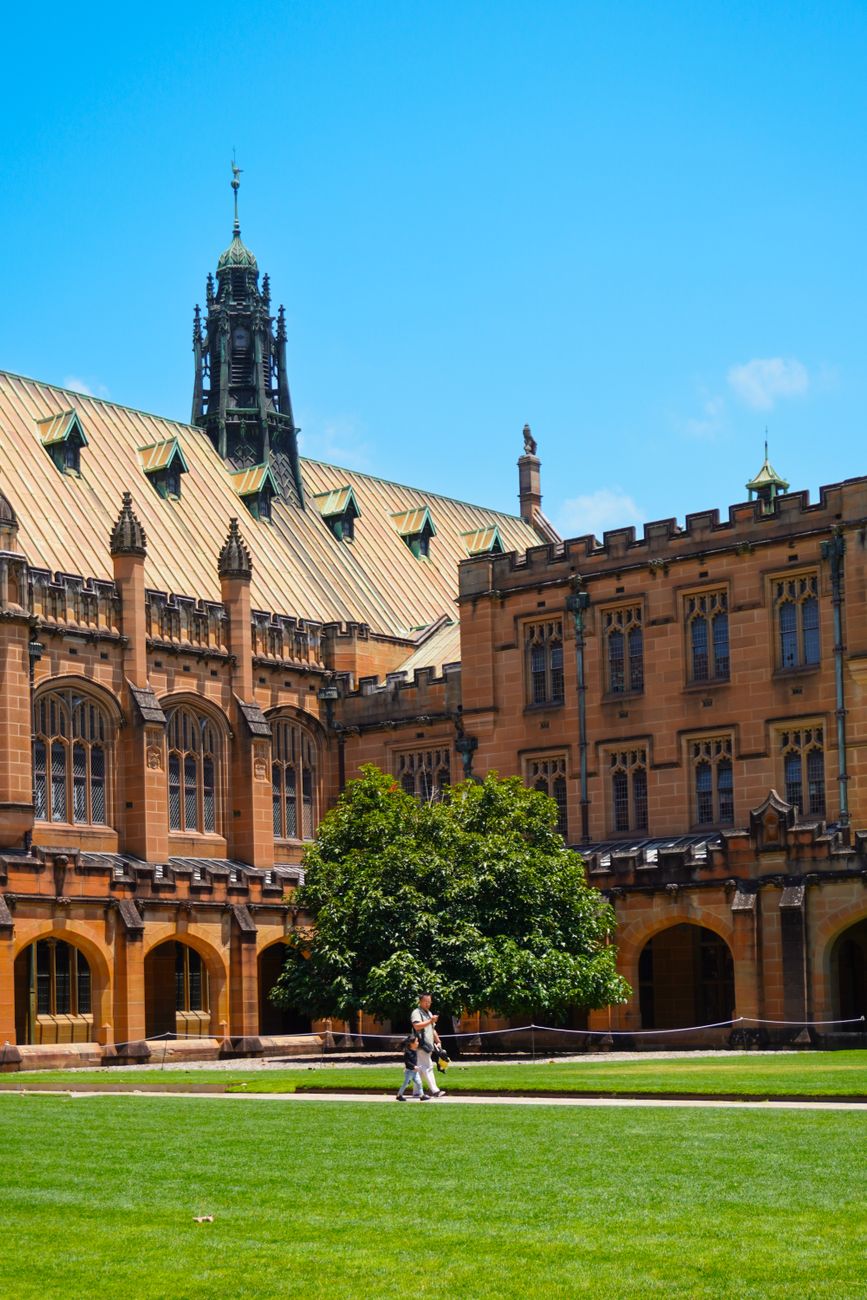
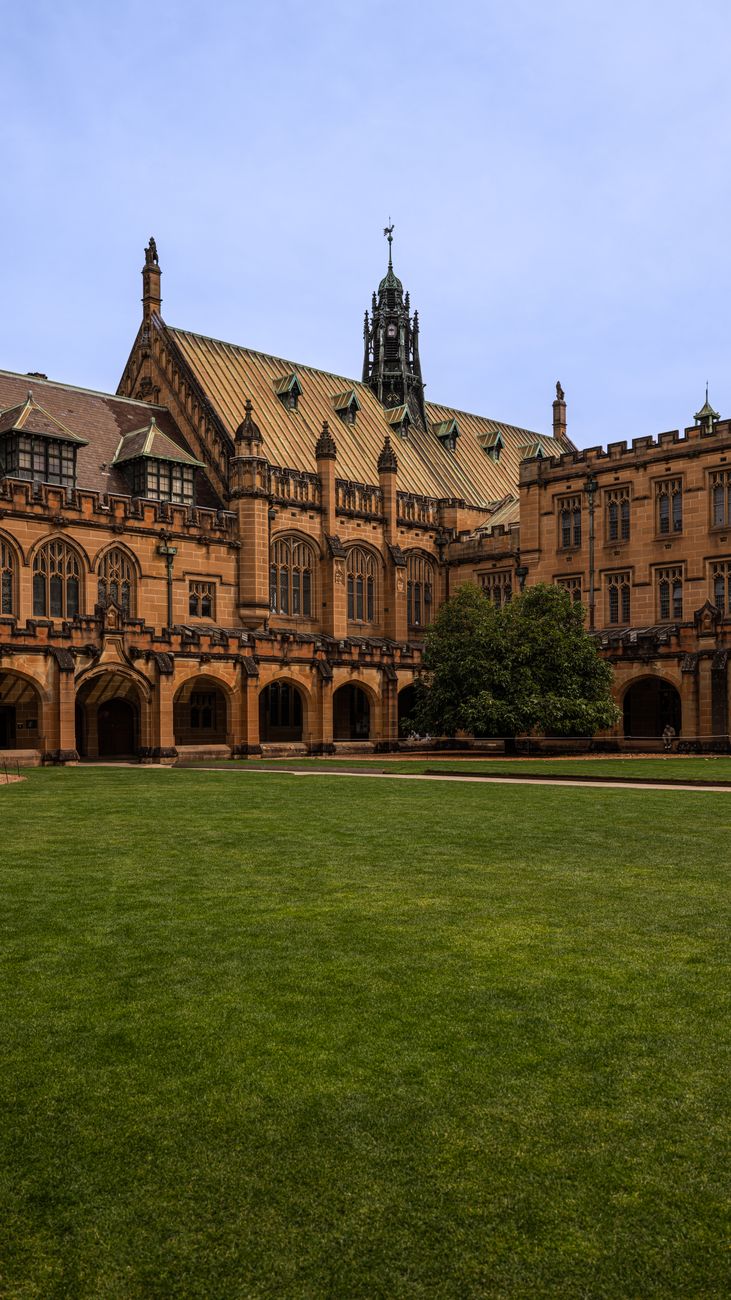
2. University Health Services: Many Australian universities run on-campus health centres that include optometry services. These are often subsidised by the university and available to enrolled students. For instance, the University of Sydney’s Health Service offers eye tests for AUD $35 for international students (2026 rate). The University of Queensland’s Student Health Centre provides a similar service for AUD $40. These clinics do not require OSHC coverage—you pay upfront and can claim a partial rebate if your policy includes optometry.
3. Community Health Centres: In low-income areas, community health centres (CHCs) offer bulk-billed (free) eye tests for concession card holders. International students generally do not hold Australian concession cards, but some CHCs have a “low-income” category. If your annual income is below AUD $25,000 (common for students), you may qualify for a free test at centres like the Cohealth Eye Clinic in Melbourne or the Sydney Local Health District’s Eye Health Program. Provide proof of income (bank statements or scholarship letters) and your student visa.
4. Charitable Organisations: The Fred Hollows Foundation and Vision Australia occasionally run free eye screening events in university campuses. In 2025, the Foundation partnered with 12 universities to offer free tests to 3,500 international students. Check your university’s international student support office for upcoming events.
Cost comparison: Private optometrist (Specsavers/OPSM) = AUD $60–$120. Public hospital = AUD $30–$50. University health service = AUD $35–$45. Community health centre = free to AUD $20. The cheapest reliable option is your university’s health service.
The UK A-Level/IB/American High School GPA and SAT Pathway to Australian Universities: How Vision Care Fits Your Transition
International students from the UK, US, and other English-speaking regions follow distinct pathways into Australian universities. Understanding these pathways is critical because your healthcare entitlements, including eye test access, are tied to your visa and enrolment status.
UK A-Level and IB Students: Australian universities accept A-Level and IB qualifications directly. For example, the University of Melbourne requires an A-Level score of A*AA for most undergraduate degrees (2026 entry). IB students need a minimum of 38 points for competitive courses like Medicine or Law. Once enrolled, you are eligible for OSHC and the options described above. However, if you are on a Student Visa (Subclass 500), you must maintain OSHC for the entire duration of your stay. You cannot switch to a cheaper policy mid-year without risking visa compliance.
American High School GPA and SAT: US students typically apply with a high school GPA of 3.0–4.0 and SAT scores of 1200–1500. The University of New South Wales (UNSW) requires a GPA of 3.2 and SAT 1300 for Engineering (2026). Upon acceptance, you receive a Confirmation of Enrolment (CoE) and then apply for a visa. Your OSHC policy starts on the date of visa grant. Important: If you arrive early (e.g., for a pre-sessional English course), your OSHC may not cover you until the main course begins. In that gap, you have no eye test coverage. Purchase a short-term travel insurance policy (approx. AUD $50 for 2 weeks) to cover emergencies.
Scholarships and Health Coverage: Several scholarships for international students include enhanced health benefits. The Australia Awards Scholarship (for students from developing countries) provides full OSHC with optometry coverage. The University of Sydney International Scholarship (worth AUD $40,000 per year) does not include extra health benefits. Always check the scholarship terms: if it says “OSHC included,” verify whether optometry is in the Basic or Comprehensive tier. If not, budget AUD $60–$120 per eye test.
Practical tip: Before departing, get a comprehensive eye exam in your home country. Bring your prescription to Australia. If you need glasses, order them online from Australian retailers like Clearly or Zenni—frames start at AUD $20, and delivery takes 5–7 days. This avoids the cost of a test in Australia unless you have symptoms.
Professional Pathways: CPA Australia, Engineers Australia, and MBBS Requirements for Vision Standards
If you are pursuing a professional qualification in Australia—such as CPA Australia (accounting), Engineers Australia (engineering), or MBBS (medicine)—you may face specific vision standards that require documented eye tests. These standards are separate from university admission criteria.
CPA Australia: No mandatory vision test for membership. However, if you apply for the CPA Program, you must declare any condition that affects your ability to complete exams. If you have a visual impairment, you may need an optometrist’s report to request special exam arrangements (e.g., enlarged font, extra time). This report costs AUD $60–$120 and is not covered by OSHC. Plan ahead: book the test 6–8 weeks before your exam registration deadline.
Engineers Australia: For migration skills assessment (needed for post-study work visas), Engineers Australia does not require a vision test. However, if you are applying for a Professional Engineer registration with state bodies like Engineers Australia’s National Engineering Register (NER), you may need to demonstrate fitness to practice. For roles involving fieldwork (e.g., civil engineering), employers may request a vision test. This is a private cost, not covered by OSHC.
MBBS (Medical Degree): This is the most stringent. All medical students must undergo a pre-clinical health assessment before starting clinical placements (usually in Year 2 or 3). This includes a vision test to ensure you meet the Australian Medical Council’s standards. Corrected vision (with glasses or contacts) must be at least 6/12 in the better eye. If you fail, you may be required to undergo further testing or be restricted from certain placements. The test is typically arranged by your university’s health service and costs AUD $50–$80. Your OSHC Comprehensive policy may cover part of this, but check with your insurer.
Key data: A 2025 study by the Australian Medical Students’ Association found that 7% of international medical students required additional vision assessments during their degree, with an average cost of AUD $150 per assessment. Budget accordingly.
Actionable step: If you are in a professional degree, contact your faculty’s student support office in your first semester. Ask: “Do I need a vision test for clinical placements or professional registration?” If yes, schedule it at your university health service to minimise cost.
On-Campus Housing and Vision Care Access: Practical Considerations
On-campus housing is a popular choice for international students, with approximately 25% of first-year students living in university accommodation (Universities Australia, 2025). Your housing choice affects your access to eye care.
University-managed residences: These often include a health and wellbeing fee (AUD $50–$150 per semester) that covers basic services like GP visits and mental health support. However, optometry is rarely included. For example, the University of Melbourne’s residential colleges charge a “Health Levy” of AUD $120 per semester, which covers GP and nurse consultations but not eye tests. You will still need to visit an external optometrist or university clinic.
Private rentals near campus: If you live off-campus, proximity to optometry services varies. In Sydney’s CBD, there are 15 optometry clinics within 1 km of the University of Sydney. In suburban campuses like Monash University (Clayton), the nearest optometrist is 2 km away. Check Google Maps for “optometrist near [university name]” before signing a lease. If you have no car, factor in public transport costs (AUD $3–$5 per trip) to your eye test budget.
Special arrangements for students with vision impairments: If you have a diagnosed vision condition (e.g., myopia > -6.00 diopters or glaucoma), you may be eligible for the Disability Support Program at your university. This can provide free or subsidised transport to medical appointments, including eye tests. Register with the university’s disability office within your first two weeks. Provide a letter from your home-country optometrist (translated into English if needed).
Cost example: A student living on-campus at the University of Queensland pays AUD $350 per week for a studio (2026 rate). A student living off-campus in Brisbane pays AUD $250–$300 per week plus transport. The on-campus student saves AUD $50–$100 per week but may pay more for eye tests if the university clinic charges higher fees. Compare total costs before deciding.
International Student Rights: What to Do If You Are Denied an Eye Test
International students in Australia have legal rights under the Education Services for Overseas Students (ESOS) Act and the National Code of Practice. These rights extend to healthcare access, including eye tests.
Right to information: Your OSHC provider must give you a clear explanation of what is covered. If you are told an eye test is not covered but your policy document says it is, you can lodge a complaint with the Private Health Insurance Ombudsman (PHIO). In 2025, PHIO received 1,200 complaints from international students, with 34% related to optometry claims. The average resolution time is 21 days. Call PHIO on 1800 640 695 (free from Australian landlines).
Right to a second opinion: If a private optometrist refuses to bulk-bill you (i.e., charge only the OSHC rebate), you can request a written quote. Under the Health Insurance Act 1973, optometrists must provide a quote before treatment. If the quote exceeds AUD $100, you can decline and seek a cheaper option. You are not obligated to pay for services you did not consent to.
Right to a refund: If you paid for an eye test and later discover your OSHC covers it, you can claim a refund within 12 months. Submit your receipt and the optometrist’s item number (e.g., 10910 for a standard consultation) to your insurer. Refunds are processed within 14 business days.
What to do in an emergency: If you have an eye injury (e.g., chemical splash in a lab), go to the nearest hospital emergency department. OSHC covers emergency treatment, including eye exams. Do not wait for a scheduled appointment. Emergency care is free under OSHC for life-threatening conditions, but you may receive a bill for non-emergency follow-up.
Practical tip: Keep a digital copy of your OSHC card on your phone. When booking an eye test, say: “I have OSHC with [provider]. Can you confirm if this test is covered under my policy?” If the receptionist says no, ask for the item number and call your insurer to verify.
Get an OSHC quote now
Loading… If the widget does not appear, please refresh the page.
FAQ
Q1: Can international students get a completely free eye test in Australia?
A1: No, there is no universal free eye test program for international students. However, you can access low-cost options. If you hold a Comprehensive OSHC policy (costing approximately AUD $650–$850 per year in 2026), you are entitled to one free eye test per 12 months at a preferred provider. If you have a Basic OSHC policy, the cheapest option is your university health service, which charges AUD $35–$45 per test. Community health centres may offer free tests if your annual income is below AUD $25,000, but this is not guaranteed. In 2025, only 12% of international students reported accessing a free eye test, according to a Universities Australia survey.
Q2: What documents do I need to bring to an eye test appointment in Australia?
A2: You need three documents: (1) Your OSHC membership card (physical or digital), (2) your passport or Australian driver licence (if you have one), and (3) a GP referral if you are attending a public hospital clinic (not required for private optometrists or university clinics). If you have a pre-existing eye condition, bring a copy of your prescription from your home-country optometrist. For university health services, you may also need your student ID card. Appointments typically last 20–30 minutes. Arrive 10 minutes early to complete a consent form.
Q3: How much do glasses and contact lenses cost for international students in Australia?
A3: Glasses start at AUD $20 for basic frames and single-vision lenses from online retailers like Clearly or Zenni (2026 prices). In-store at Specsavers or OPSM, a complete pair (frame + lenses) costs AUD $69–$149. Contact lenses cost AUD $30–$60 per box (30-day supply for daily disposables, or 6-month supply for monthly lenses). Your OSHC Comprehensive policy may cover up to AUD $100 per year for lenses, but not frames. If you need prescription sunglasses, expect to pay AUD $100–$250. Budget an additional AUD $150–$300 per year for vision correction beyond the eye test cost.
参考资料
- Department of Home Affairs, 2026, Student Visa and OSHC Statistics
- Universities Australia, 2025, International Student Health and Wellbeing Survey
- Australian Medical Students’ Association, 2025, Pre-Clinical Health Assessment Report
- Private Health Insurance Ombudsman, 2025, Annual Complaints Report
- Fred Hollows Foundation, 2025, University Eye Health Partnership Program